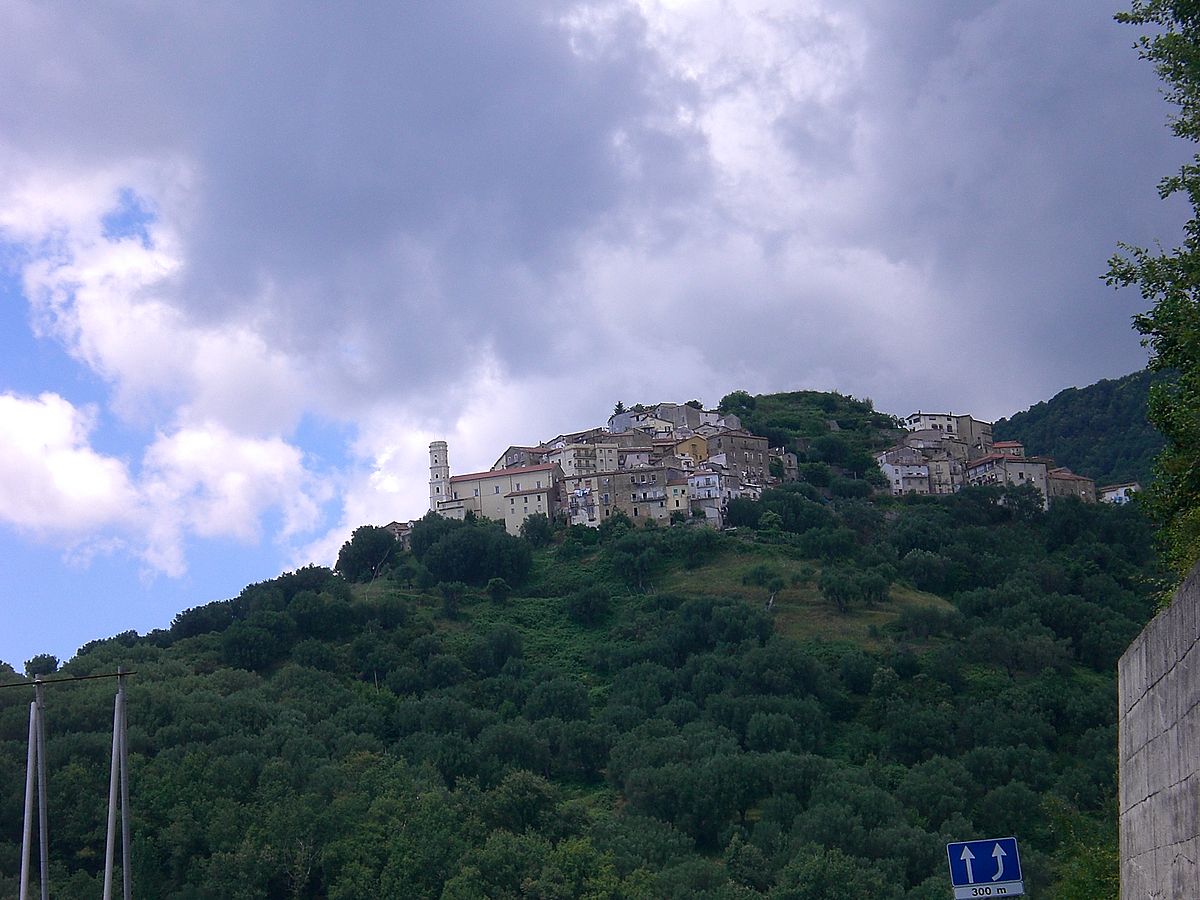
centro storico, montano, concentrico, lineare, difensivo, Cuccaro Vetere, Cucculi (denominazione storica), Cuculi (denominazione storica), Cucclo (denominazione storica), Cuccolo (denominazione storica), Cucheri (denominazione storica), Cucharo (denominazione storica), Cuccaro (denominazione storica, fino al 1862)
Cuccaro Vetere perches on a hilltop like a weathered stone sentinel, its ancient core still clinging to the defensive logic of a Byzantine borgo. The original settlement is irregular and ring-shaped, coiling around the ruins of a castle at its centre; only later did the town stretch out along the road to the coast, taking on a spindle-like form. This historic importance endowed the village with a surprising architectural richness: a Capuchin convent, the eleventh-century church of San Pietro (heavily remodelled in the 1800s), the church of Santa Teresa near the castle, and the tiny aristocratic chapel of Sant’Antonio. Secular buildings of note include Palazzo Liguori, Palazzo Chirico with its arch spanning the public street, and Palazzo Antonini, now belonging to a monastic order. Fragments of the old fortifications, walls, buttresses, watchtowers, are still woven into the fabric of the streets and houses. The post-war buildings, by contrast, are unremarkable. The local historian Baron Giuseppe recorded what little is known of Cuccaro’s past.
Description via source. Coordinates and heritage data from the Atika atlas.