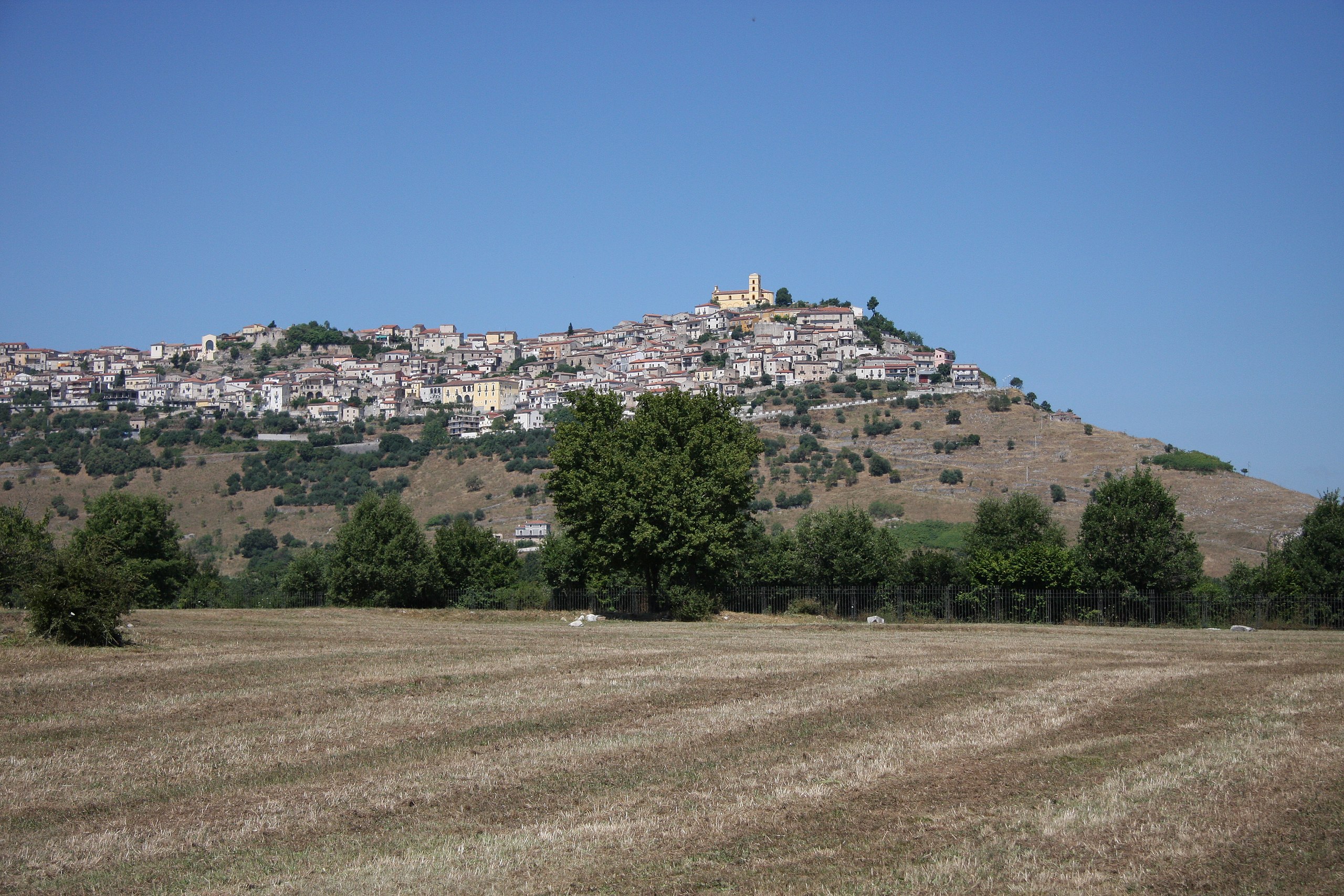
centro storico, di crinale, montano, Grumento Nova, Saponaria (denominazione storica, metà anno 1000, cit. 1812), Saponaria di Grumento (denominazione storica, dal 1863 fino al 1932)
On the hill where survivors of Grumentum fled Saracen destruction, the medieval borgo of Saponaria, later Grumento Nova, grew around a Norman castle. This was built in the late eleventh century by the Counts of Montescaglioso upon the central summit, its bulk later remodelled in the eighteenth century by the Prince of Bisignano. The historic centre is a pleasing tangle of rising and falling alleyways, lined with old palaces such as the sixteenth-century Giliberti and Danio houses in the San Rocco quarter.
The village’s layered history is legible in its churches: the mother church, rebuilt after the 1857 earthquake on a foundation from 1118; a tenth-century basiliana structure at San Infantino; San Rocco, raised after the plague of 1656; the Rosario church from 1680; and Santa Caterina, once owned by the Ceramelli family. Through Norman, Angevin, and feudal hands, including the Fasanella and Sanseverino families, who held it until 1806, this borgo has kept its medieval spine.
Description via source. Coordinates and heritage data from the Atika atlas.