Galaxidi
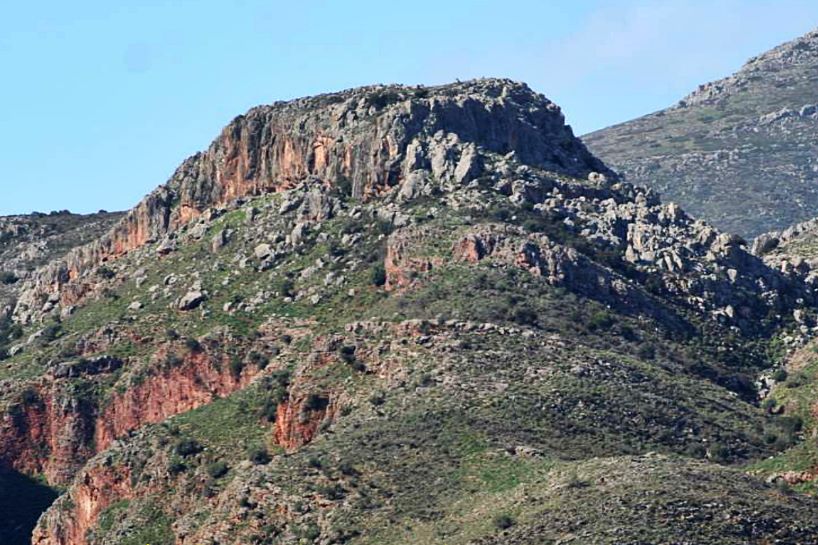
On a steep hill called Kastro, three kilometres west of Galaxidi in Phocis, stands a dry-stone fortification of unknown date and origin. Only the western flank, the most exposed side, is walled; the other slopes rely on sheer rock for defence. The walls, built from local stone without mortar, still rise to three metres in places. No trace of internal buildings survives, which suggests this was a refuge used only in times of danger, not a permanent settlement.
The fort's history is entirely speculative. It is not ancient, and similar makeshift shelters were thrown up during the Byzantine period against raiders. One grim possibility is the invasion of 1065, when some 60,000 Ouzoi crossed the Danube and swept down to the Gulf of Corinth, plundering Phocis. But pirates and other threats were perennial, so the construction could belong to any troubled century. Rediscovered around 2000 by hikers including Professor Petros Themelis, the site yielded no pottery or datable finds, and no researcher has since examined it. A quiet, unexplained relic.
- Kastra.eu, Castles of Greece · reference
Coordinates and heritage data compiled in the Atika atlas.